
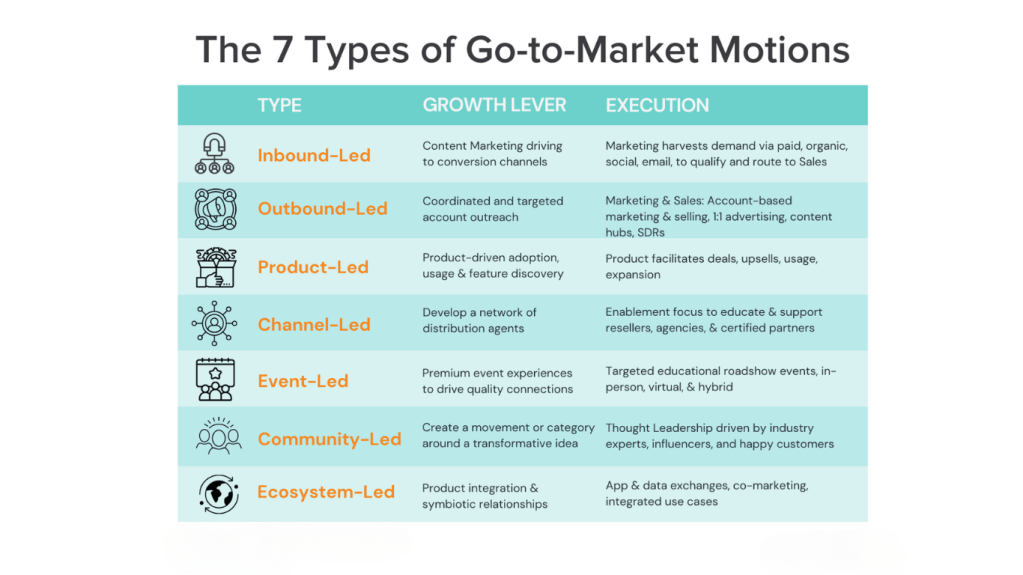
In the competitive world of Software-as-a-Service (SaaS), a well-executed Go-to-Market (GTM) strategy can be the difference between success and stagnation.
As a SaaS company, your GTM strategy not only defines how you introduce your product to the market but also lays the foundation for sustainable growth, customer acquisition, and long-term success.
Whether you’re launching a new product, expanding into new markets, or refining your existing approach, this guide will walk you through the key components of a successful GTM strategy for SaaS businesses.
What is a Go-to-Market Strategy?
A Go-to-Market strategy is the blueprint for how you will bring your product to market. It encompasses everything from identifying your target audience to positioning your product, aligning sales and marketing efforts, and optimizing your sales funnel.
In the SaaS world, a strong GTM strategy is crucial because the sales cycles tend to be complex, and the competition is fierce.
The right GTM plan helps you target the right customers, deliver the right message, and ensure your team is aligned for maximum impact.
Key Components of a SaaS Go-to-Market Strategy
1. Identifying Your Target Market
The foundation of any GTM strategy is understanding who your ideal customer is. For SaaS companies, this often means creating detailed customer personas based on key factors like industry, company size, pain points, and buying behaviors.
Ask yourself:
- Who will benefit most from your software?
- What specific problems are you solving for them?
- How can your solution improve their processes or save them money?
By understanding these details, you can create highly targeted marketing and sales campaigns that speak directly to your audience.
2. Product Positioning and Messaging
Your positioning and messaging need to differentiate your SaaS solution from competitors. With so many SaaS tools available, it’s critical to highlight what makes your product unique and why it’s the best choice for your target market.
Tips for Effective Positioning:
- Focus on the unique value your product offers.
- Highlight how your solution addresses specific customer pain points.
- Be clear and concise—complexity can deter potential buyers.
3. Sales and Marketing Alignment
For a SaaS company, having your sales and marketing teams in sync is essential for GTM success. Both teams should work together to define the ideal customer profile (ICP), set goals, and develop a lead generation process that captures high-quality leads.
- Marketing should focus on generating awareness and leads through content marketing, SEO, paid advertising, and social media.
- Sales should focus on nurturing leads, converting prospects into customers, and ensuring a smooth onboarding process.
Creating alignment ensures consistent messaging across all touchpoints and improves overall conversion rates.
4. Go-to-Market Channels
Choosing the right channels to promote and sell your SaaS product is key to reaching your audience effectively. Depending on your business model (B2B, B2C, enterprise), you may use a variety of GTM channels, such as:
- Direct Sales: A sales team reaching out to prospects directly.
- Partner Channels: Working with affiliates, resellers, or integration partners.
- Inbound Marketing: Leveraging content, SEO, and email marketing to drive leads to your website.
Experiment with multiple channels, track performance, and double down on what works.
5. Pricing and Packaging
Pricing plays a critical role in your GTM strategy, especially for SaaS companies. A clear, well-thought-out pricing strategy can help you capture market share and drive growth. Common SaaS pricing models include:
- Freemium: Offering a free tier to attract users, with the option to upgrade.
- Subscription-Based: Charging customers a recurring monthly or annual fee.
- Usage-Based: Charging customers based on the amount they use the product.
Align your pricing with the value your product delivers, and make sure it’s easy for potential customers to understand.
6. Customer Success and Retention
In SaaS, acquiring customers is only half the battle. Retaining them is equally, if not more, important. Your GTM strategy should include plans for ongoing customer success and retention efforts to reduce churn and increase lifetime value.
- Offer excellent onboarding and training to ensure customers get the most from your product.
- Provide top-tier support and regularly check in with clients to resolve issues before they escalate.
- Focus on upselling and cross-selling opportunities to increase revenue from existing customers.
Why GTM Strategies Matter for SaaS Sales Consulting Agencies
As a SaaS sales consulting agency, helping your clients develop a strong GTM strategy sets the stage for their long-term success. Many SaaS businesses struggle with effective market entry, and your role as a consultant is to guide them through each stage of the GTM process.
Here’s why it matters:
- Shortens Sales Cycles: A well-structured GTM strategy helps SaaS businesses identify the most qualified leads, reducing the time it takes to close deals.
- Boosts Conversion Rates: With the right positioning and messaging, SaaS companies can resonate more effectively with their target market, leading to higher conversion rates.
- Drives Sustainable Growth: A strategic GTM plan aligns sales, marketing, and customer success efforts, ensuring long-term growth and customer retention.
Final Thoughts
A robust Go-to-Market strategy is the key to launching and scaling a successful SaaS product. By focusing on understanding your audience, aligning your teams, choosing the right channels, and delivering clear messaging, you can accelerate your path to market success.
If you’re a SaaS business looking for expert guidance on building and executing a GTM strategy, partnering with a specialized sales consulting agency can provide the insights and execution you need to thrive in today’s competitive market.
Need help with your Go-to-Market strategy?
Contact us to help your SaaS company grow, scale, and dominate your market.
 Go-to-Market Guru's