
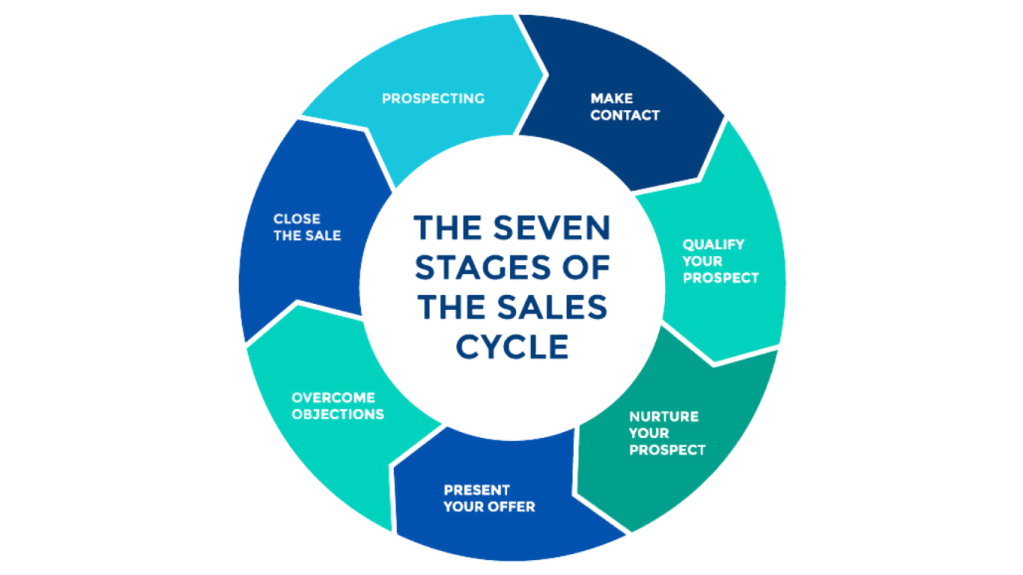
In the fast-paced world of business, a streamlined and efficient sales process is essential for maximizing revenue, improving customer experiences, and driving growth. For companies entering the market or launching new products, an optimized sales process can make or break their go-to-market (GTM) strategy.
As a GTM business consulting agency, helping clients refine and optimize their sales process ensures they can convert leads into customers efficiently while maintaining a consistent flow of new business. In this post, we’ll explore the key steps to optimize a sales process that aligns with your go-to-market strategy and drives measurable results.
What is Sales Process Optimization?
Sales process optimization involves analyzing, improving, and streamlining the various stages of your sales cycle to increase efficiency, boost conversion rates, and reduce friction for both your team and customers. A well-optimized sales process ensures that:
- Sales teams focus on high-value activities that drive revenue.
- Lead-to-customer conversion rates improve, generating more business from existing efforts.
- Prospective clients experience a smoother journey, from the initial touchpoint through to post-sale follow-up.
For GTM strategies, this process becomes even more important because every aspect of the customer journey, from market entry to product positioning, must be in sync with the sales process to ensure success.
Key Steps to Optimize Your Sales Process
1. Map the Current Sales Process
Before making any changes, you must first understand your existing sales process from end to end. Create a visual sales process map that covers every step from lead generation to closing the deal and post-sale follow-up.
Identify bottlenecks, gaps, or inefficiencies that may be slowing down the process, such as:
- Unqualified leads clogging the pipeline.
- Delays in follow-ups after initial outreach.
- Manual tasks that could be automated.
By getting a clear picture of the current flow, you can start identifying areas for improvement.
2. Align Sales with Go-to-Market Strategy
Your sales process must align with your overall GTM strategy. This means integrating market research, target audience segmentation, and product positioning into your sales approach.
For example:
- Target Audience: Are you focusing your efforts on the right prospects? Your GTM strategy should define your ideal customer profile, which your sales team should prioritize.
- Messaging: Ensure that the messaging from your marketing efforts seamlessly transitions into the sales conversations. Consistency helps build trust and keeps potential customers engaged.
- Sales Funnel: Your GTM strategy should support your sales funnel by ensuring that leads are nurtured correctly and moved through the pipeline efficiently.
3. Leverage Automation and Technology
Technology is a critical driver of sales process optimization. Tools like Customer Relationship Management (CRM) software, sales automation platforms, and lead scoring systems can dramatically improve the efficiency and effectiveness of your sales efforts.
Some key ways to leverage technology include:
- Automated Follow-Ups: Use automation to send timely follow-up emails and reminders to prospects, ensuring no lead falls through the cracks.
- Lead Scoring: Implement a lead scoring system to help your sales team focus on high-quality prospects that are more likely to convert.
- CRM Integration: Centralize all your customer data in a CRM to track progress, manage pipelines, and ensure the sales team has up-to-date information on each prospect.
By automating repetitive tasks, your sales team can spend more time closing deals and less time on administrative work.
4. Optimize Lead Qualification
One of the most significant challenges in sales is managing an influx of leads while ensuring that your sales team only spends time on qualified prospects. Optimizing your lead qualification process ensures that sales reps are focusing on leads most likely to convert, rather than wasting time on low-value prospects.
Tips for optimizing lead qualification:
- Use clear criteria: Establish concrete criteria for what constitutes a qualified lead, based on your target audience and ideal customer profile.
- Ask the right questions early: Use discovery calls or qualification forms to gather essential information early in the sales process.
- Segment leads effectively: Once leads are qualified, segment them based on factors like industry, size, or needs, so you can tailor your sales approach accordingly.
This ensures that your sales team focuses on the most promising leads and helps reduce wasted effort.
5. Track and Measure Sales Metrics
The success of your sales process optimization efforts relies on tracking the right key performance indicators (KPIs) and metrics. Identify the metrics that matter most for your business, such as:
- Lead conversion rates: How many leads turn into customers?
- Sales cycle length: How long does it take to close a deal?
- Customer acquisition cost (CAC): How much does it cost to acquire each new customer?
Regularly tracking these metrics gives you real-time insight into the performance of your sales process and highlights areas for improvement. Make data-driven decisions to adjust strategies and refine processes over time.
6. Continuous Improvement and Feedback
Sales process optimization is not a one-time task—it requires continuous refinement. Collect feedback from your sales team regularly to identify pain points, and remain open to making adjustments based on what’s working and what isn’t.
- Sales team feedback: Your team is on the front lines and can provide valuable insights into what’s slowing them down and what tools or tactics could help.
- Customer feedback: Gather feedback from clients about their experience during the sales process. Understanding what worked and what didn’t from their perspective can offer ideas for improvements.
Creating a culture of continuous improvement will ensure your sales process evolves along with your business.
How Sales Process Optimization Impacts Your GTM Strategy
For businesses focused on go-to-market success, an optimized sales process is essential. Here’s how optimizing your sales process directly enhances your GTM efforts:
- Faster Time-to-Market: With an efficient sales process, you can hit the market faster and start generating revenue sooner.
- Higher Lead Conversion: A more targeted and efficient sales approach ensures you convert more of the leads your GTM efforts generate.
- Better Customer Experience: A seamless, optimized sales process enhances the customer journey, increasing satisfaction and retention.
- Increased Scalability: As you grow and expand, an optimized sales process can scale with your business, ensuring consistent success.
Conclusion
Sales process optimization is a critical component of any successful GTM strategy. By aligning your sales efforts with your go-to-market goals, leveraging technology, and continuously refining your process, you’ll position your business for long-term growth and success.
At RevUp, we specialize in helping businesses streamline and optimize their sales processes to drive revenue and improve market performance. ‘
Contact us today to learn how we can help you refine your sales process and execute a winning go-to-market strategy.
 Go-to-Market Guru's