
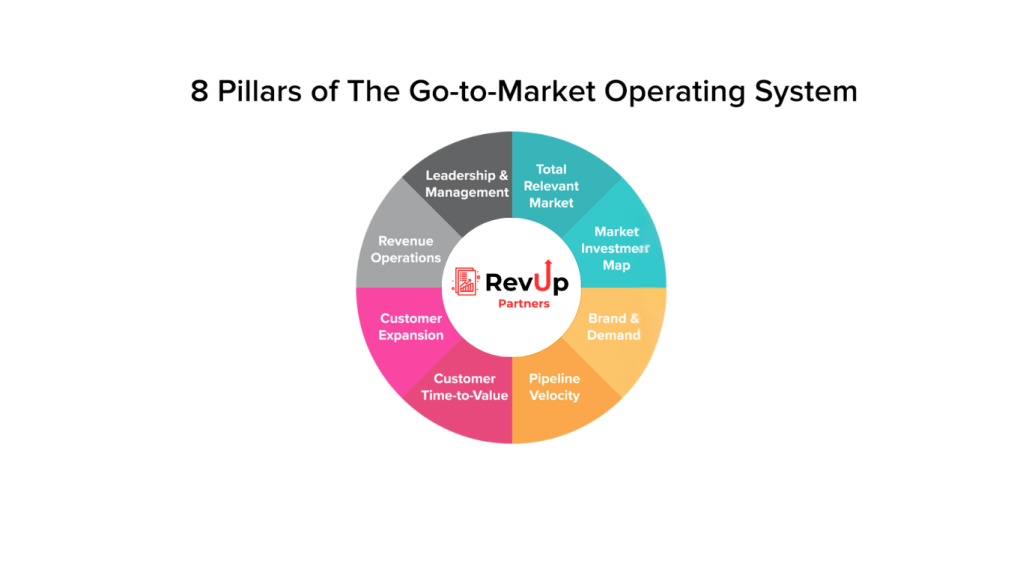
Creating a Go-to-Market (GTM) strategy is a crucial step for any business looking to successfully introduce new products or services. An effective GTM plan defines your target audience, identifies the best channels for engagement, and outlines a clear path to market entry and long-term growth. Here’s a framework to get started:
Step 1: Identify the Market Problem
The foundation of any GTM strategy is understanding the market need your product addresses. Consider the following:
- What problem does your product solve?
- Who experiences this issue the most?
Defining this allows you to position your solution in a way that resonates with potential customers. Once you have clarity on the problem, it’s time to segment the audience.
Step 2: Define Your Target Audience
Narrow down your ideal customers by demographics, firmographics, or behavior patterns. Ask:
- Who will benefit most from your offering?
- What are their goals and challenges?
This specificity will shape how you craft your messaging and select the channels for outreach.
Step 3: Analyze Your Competitors
Competitor analysis provides valuable insights into positioning and market trends. Research how similar products are priced, marketed, and what customer pain points remain unsolved. Identify gaps your offering can fill, and create differentiation by emphasizing unique features.
Step 4: Develop Your Value Proposition
A strong value proposition communicates why your product is superior or unique. This statement should address:
- What makes your product stand out?
- What benefits does it offer?
- Why should customers choose your product over others?
Refining this will serve as the backbone of your marketing and sales strategies.
Step 5: Choose Your Sales & Marketing Channels
Select the best channels to reach your target audience—whether it’s direct sales, digital marketing, social media, partnerships, or a combination. Determine where your customers spend the most time and invest in those touchpoints.
Step 6: Create a Launch Plan
An actionable launch plan includes setting goals, milestones, and responsibilities. Break it down into phases: pre-launch (awareness), launch (activation), and post-launch (retention). Assign clear KPIs to measure success at each stage.
Step 7: Plan for Continuous Optimization
Even the best GTM strategy needs constant iteration. Regularly review performance metrics and gather customer feedback to refine your approach. This will help you adapt to market changes and improve long-term success.
Key Takeaways
A well-structured GTM strategy is more than a checklist; it’s a roadmap that aligns all your teams—product, sales, and marketing—toward a common goal. By clearly defining the problem, understanding the audience, and strategically choosing your channels, you set a foundation for growth and competitive advantage.
Implementing a robust GTM plan can transform how you approach your market entry, maximize resources, and reduce the risk of a failed product launch. Use these steps as a starting point to refine your own GTM approach.
Need help with your Go-to-Market strategy?
Contact us to help your company grow, scale, and dominate your market.
 Go-to-Market Guru's