
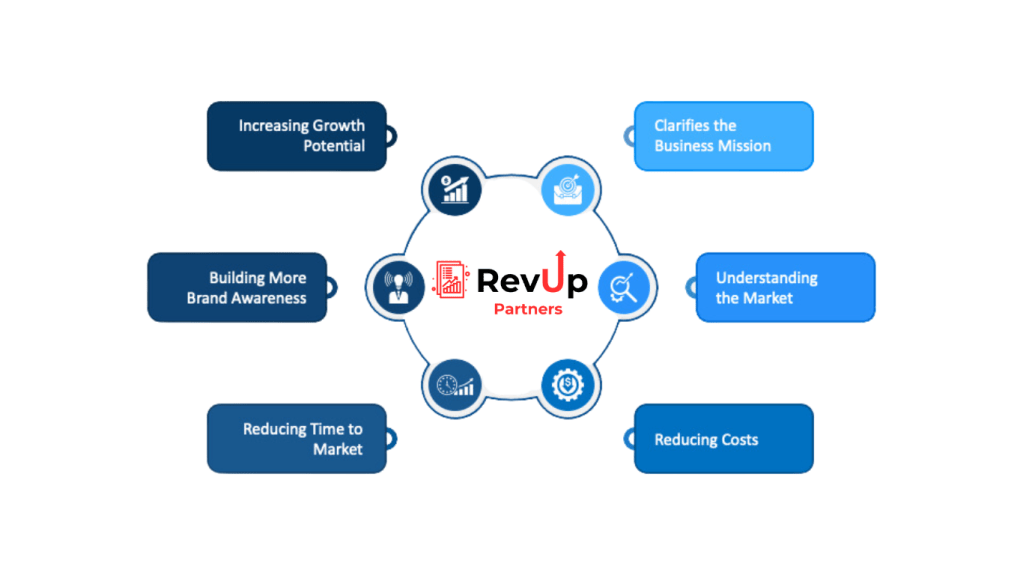
In the competitive landscape of SaaS, having a robust go-to-market (GTM) strategy is vital. This strategy is your blueprint for launching products, generating demand, and achieving sustainable growth. Let’s explore what makes an effective GTM strategy and highlight key elements, drawing insights from some of the best SaaS examples.
What is a Go-to-Market Strategy?
A GTM strategy is a detailed action plan for delivering your product to the market and achieving sales goals. For SaaS companies, a successful GTM strategy encompasses everything from product positioning and target audience identification to sales and marketing strategies. Its main objective? To ensure that your solution reaches the right audience with the right message, at the right time.
Key Components of a Winning GTM Strategy for SaaS
Creating a solid GTM strategy requires careful planning and consideration. The following elements are essential for crafting a strategy that resonates:
- Clear Value Proposition
Define the unique value your product brings to the market. This sets you apart from competitors and establishes why your audience should choose your solution. - Target Audience Segmentation
Identifying your ideal customer profiles (ICPs) is critical. Consider demographics, behavioral traits, and needs to tailor messaging that speaks directly to them. - Product-Market Fit
Ensure your solution aligns with your audience’s pain points. If your product doesn’t solve a real problem, no amount of marketing will drive sustained growth. - Multi-Channel Approach
Utilize a mix of inbound and outbound channels like content marketing, social media, PPC, and webinars to engage potential customers at various touchpoints. - Sales and Marketing Alignment
Your GTM strategy should bridge the gap between sales and marketing. Ensuring both teams share insights and are aligned on goals and tactics will enhance execution. - Performance Metrics
Establish KPIs to track performance and adjust strategies as necessary. Metrics like Customer Acquisition Cost (CAC), Lifetime Value (LTV), and churn rate help gauge GTM success.
Examples of Successful GTM Strategies in SaaS
Here are a few standout examples of GTM strategies executed by top SaaS companies:
- Slack: Focused on product-led growth by offering a freemium model, allowing users to experience the value firsthand. Their GTM strategy revolved around customer evangelism and viral growth.
- HubSpot: Leveraged content marketing and educational resources to build authority in the inbound marketing space, attracting leads organically through SEO-optimized blogs and tutorials.
- Zoom: Prioritized simplicity and usability. Zoom’s GTM strategy centered on offering a seamless product experience and building word-of-mouth referrals.
Creating Your Own GTM Strategy
Developing a GTM strategy tailored to your SaaS business involves careful planning and iteration. Start by conducting thorough market research to understand your ideal customers, competitors, and the unique value your product provides. From there, test different messaging, pricing strategies, and marketing channels to see what resonates.
As you refine your strategy, remember that a successful GTM approach isn’t static. It evolves with market trends and feedback. Stay agile and open to adapting your tactics to ensure ongoing relevance and success.
By understanding these key components and examples, you can craft a GTM strategy that positions your SaaS solution for growth and success.
Need help with your Go-to-Market strategy?
Contact us to help your SaaS company grow, scale, and dominate your market.
 Go-to-Market Guru's