For any business, understanding and optimizing the marketing funnel is critical for driving growth, improving conversions, and maximizing sales. From generating initial awareness to converting leads into loyal customers, every stage of the funnel plays a pivotal role in your overall strategy. Yet, many businesses struggle with leaks in their funnel or inefficiencies in their sales process that cause them to miss out on potential revenue.
In this blog post, we’ll break down the concept of the marketing funnel, explore how you can optimize each stage to improve your conversion rates, and share tips on refining your sales process along the way. Let’s dive in!
What is a Marketing Funnel?
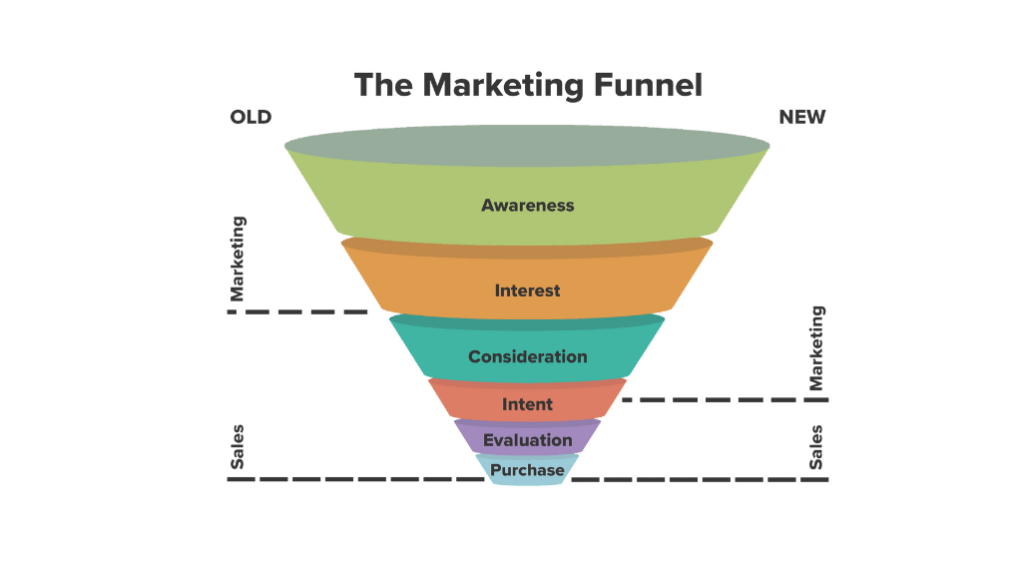
The marketing funnel is a visual representation of a potential customer’s journey from first discovering your brand to becoming a paying customer. Traditionally, the funnel is divided into three key stages:
- Top of the Funnel (TOFU) – Awareness: At this stage, prospects become aware of your brand, product, or service. The goal is to attract and engage as many potential leads as possible.
- Middle of the Funnel (MOFU) – Consideration: Here, prospects are actively evaluating their options and considering your product or service. They seek more information and compare alternatives.
- Bottom of the Funnel (BOFU) – Conversion: Prospects are ready to make a purchase decision. Your focus is to provide the final push they need to convert into paying customers.
Understanding where your prospects are within this funnel is essential, as it informs your content, messaging, and engagement strategies at every stage. With that foundation in place, let’s look at how you can optimize each stage to increase your conversion rates.
Top of the Funnel (TOFU) – Building Awareness
The top of the funnel is all about attracting the right audience to your brand. At this stage, your prospects might not even be aware that they have a problem you can solve. Your focus should be on creating content that educates, entertains, or informs, without coming across as too sales-focused.
Strategies to Optimize the TOFU Stage:
- Content Marketing Create high-quality content that addresses your audience’s pain points, answers common questions, and provides value. Blog posts, infographics, social media updates, and educational videos are great formats for this stage.
- Tip: Conduct keyword research to identify topics your audience is searching for, and create content around those keywords to increase visibility.
- Search Engine Optimization (SEO) Invest time in optimizing your content for search engines to ensure it reaches a broader audience. Focus on both on-page (title tags, meta descriptions, keyword optimization) and off-page SEO (backlinks, social sharing) to improve your rankings.
- Tip: Use tools like Google Search Console to monitor performance and identify areas for improvement.
- Paid Advertising Use paid ads on platforms like Google and social media channels to reach new audiences quickly. At this stage, you’re not trying to sell; rather, you’re promoting content that will introduce people to your brand.
- Tip: Experiment with different ad formats and track engagement metrics to optimize your campaigns.
- Lead Magnets Offer downloadable resources like eBooks, guides, or checklists in exchange for email addresses. This helps build your email list, nurturing leads further down the funnel.
- Tip: Ensure your lead magnet solves a specific problem your audience faces to increase opt-in rates.
Middle of the Funnel (MOFU) – Nurturing Leads
In the middle of the funnel, your audience is aware of your brand and may have engaged with your content, but they’re not yet ready to buy. Your goal is to build trust, showcase your expertise, and guide them towards considering your product or service as a solution to their problem.
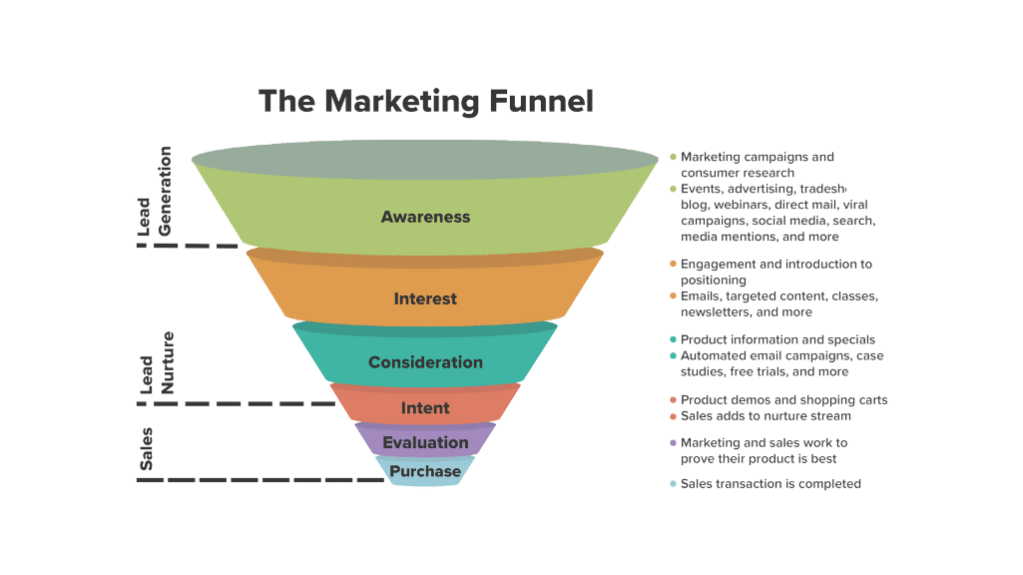
Strategies to Optimize the MOFU Stage:
- Email Marketing Email marketing is a powerful tool for nurturing leads at this stage. Use personalized email sequences to deliver content that addresses common objections, answers questions, and provides value. Share case studies, testimonials, and product comparisons.
- Tip: Segment your audience based on their behavior, interests, or stage in the funnel to deliver more relevant messages.
- Retargeting Ads Use retargeting ads to stay top-of-mind for leads who have visited your website but didn’t convert. These ads can showcase product features, limited-time offers, or drive traffic to your most compelling content.
- Tip: Create custom retargeting audiences based on page visits, email interactions, or content downloads.
- Webinars and Live Demos Webinars and live demos are excellent for building authority and engaging directly with your audience. Use this opportunity to provide in-depth information, answer questions, and address common pain points.
- Tip: Follow up with attendees after the session to gauge interest and provide additional resources.
- Case Studies and Customer Stories Leverage case studies and customer success stories to show how your solution has helped others. Highlight specific outcomes and metrics to build credibility.
- Tip: Tailor these stories to different buyer personas to make them more relatable.
Bottom of the Funnel (BOFU) – Driving Conversions
The bottom of the funnel is where prospects are close to making a decision. They’ve compared their options and need a final nudge to choose you over the competition. The goal here is to eliminate any remaining objections and make the purchasing decision as smooth as possible.
Strategies to Optimize the BOFU Stage:
- Offer a Free Trial or Demo A free trial or demo lets prospects experience your product firsthand, making it easier for them to see the value you provide.
- Tip: Implement onboarding sequences and provide dedicated support during the trial period to increase conversion rates.
- Create Compelling CTAs Make your call-to-action (CTA) buttons stand out and be specific. Use language like “Start Your Free Trial,” “Get a Quote,” or “Request a Consultation” to drive action.
- Tip: A/B test different CTAs to see which ones resonate best with your audience.
- Simplify the Checkout Process Reduce friction in the purchasing process. Offer multiple payment options, minimize form fields, and ensure your checkout page is optimized for mobile users.
- Tip: Use exit-intent popups or limited-time offers to capture hesitant buyers before they leave.
- Address Last-Minute Objections Add FAQs, live chat support, or customer testimonials on your landing pages to address common concerns and build trust.
- Tip: Use social proof like awards, certifications, or client logos to reassure prospects.
How to Optimize the Sales Process Along the Funnel
An effective sales process aligns closely with the marketing funnel, ensuring leads are nurtured and converted efficiently. Here are key ways to optimize your sales process along the way:
- Use a CRM to Track Leads Implement a Customer Relationship Management (CRM) system to monitor interactions, track lead status, and streamline follow-ups.
- Tip: Use automation to assign leads to specific sales reps based on their behavior or stage in the funnel.
- Implement Lead Scoring Use lead scoring to prioritize high-value leads, ensuring your sales team focuses on the most promising prospects.
- Tip: Set up a point-based system based on factors like website visits, email opens, and content downloads.
- Align Sales and Marketing Teams Ensure your sales and marketing teams are aligned on goals, messaging, and target personas. Regular meetings and shared KPIs can help keep both teams in sync.
- Tip: Use a shared content calendar and communicate regularly about upcoming campaigns and lead statuses.
- Refine Your Sales Scripts Develop sales scripts that address the most common objections and guide prospects through the decision-making process.
- Tip: Continuously update scripts based on feedback from sales reps and customers.
Conclusion
Optimizing your marketing funnel is a continuous process that requires a deep understanding of your audience, clear strategies for each stage, and a well-defined sales process that supports your goals. By improving each stage of your funnel, you can increase conversions, boost customer satisfaction, and drive sustainable growth for your business.
Remember, it’s not just about generating more leads—it’s about turning those leads into loyal customers who champion your brand. So, take the time to review your funnel, implement these strategies, and watch your conversion rates soar!
 Go-to-Market Guru's